
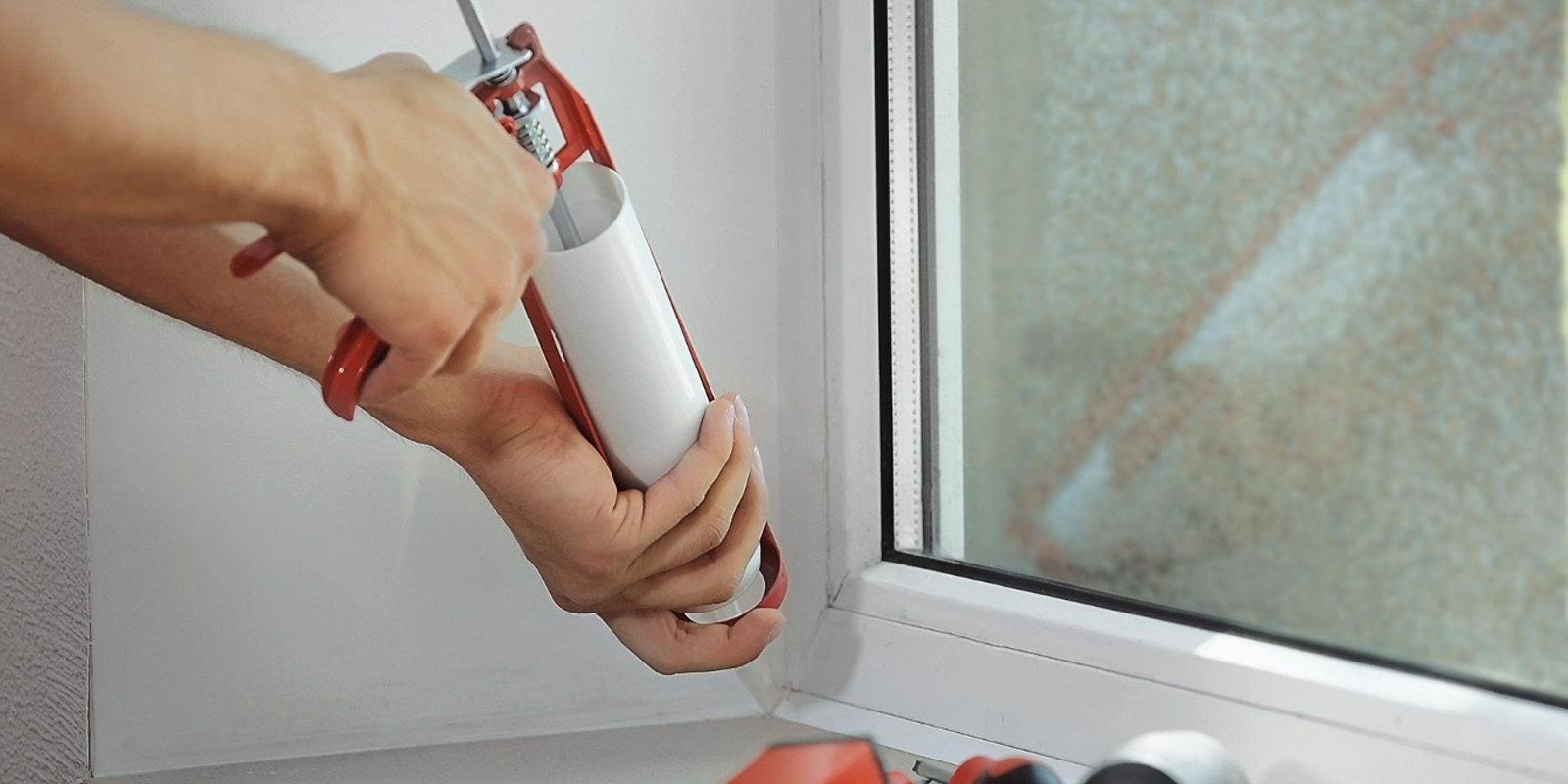
Applying sealant may seem like a simple DIY task, but many homeowners make small mistakes that lead to poor results, wasted time, and expensive repairs. A properly applied sealant creates a strong barrier against water, drafts, and damage. When it is applied incorrectly, however, it can fail much sooner than expected.
Whether you are sealing windows, doors, bathrooms, driveways, or exterior joints, avoiding these common mistakes can help you get better, longer-lasting results.
1. Choosing the Wrong Type of Sealant
Not all sealants are designed for the same purpose. One of the most common mistakes homeowners make is using the wrong product for the job.
For example:
- Silicone sealant is often best for bathrooms, kitchens, and areas exposed to water.
- Acrylic sealant works well for indoor gaps that may need to be painted.
- Polyurethane sealant is better for exterior joints and areas that experience movement.
Using the wrong type of sealant can cause it to crack, peel, or fail quickly. Always check the product label and make sure it is suitable for the surface and conditions.
2. Skipping Surface Preparation
Many people apply new sealant directly over dirt, dust, grease, or old damaged material. Unfortunately, sealant will not bond properly to an unclean surface.
Before applying sealant, always:
- Remove old sealant completely
- Clean away dirt, dust, and debris
- Dry the area thoroughly
- Make sure the surface is smooth and ready for application
Taking a few extra minutes to prepare the surface can make a huge difference in how long the sealant lasts.
3. Applying Sealant in the Wrong Weather
Temperature and weather conditions matter more than many homeowners realize. Applying sealant when it is too cold, too hot, or too wet can prevent it from curing correctly.
Common weather-related mistakes include:
- Applying exterior sealant in rain or high humidity
- Using sealant during freezing temperatures
- Applying sealant in direct sunlight on very hot days
Most sealants perform best when applied in dry conditions and moderate temperatures. Always follow the manufacturer’s instructions.
4. Using Too Much or Too Little Sealant
Applying too much sealant can create a messy appearance and may prevent the product from curing evenly. Applying too little can leave gaps that allow water and air to pass through.
A good seal should:
- Completely fill the joint or gap
- Have a smooth, even appearance
- Be thick enough to provide protection without excess material
Using the right amount takes practice, but it is important for both appearance and performance.
5. Not Smoothing the Sealant Properly
Many homeowners forget to smooth the sealant after applying it. Uneven or rough lines can leave small openings where water or air can enter.
After applying the bead of sealant, use a sealant tool or your finger to smooth it into the joint before it begins to dry.
This helps:
- Improve adhesion
- Create a cleaner appearance
- Ensure the gap is fully sealed
A smooth finish also makes the job look more professional.
6. Sealing Over Damaged Materials
Sealant is designed to protect surfaces, not repair serious damage. Applying sealant over rotten wood, cracked siding, loose trim, or damaged concrete will not solve the underlying problem.
If the surface itself is damaged, it should be repaired or replaced before new sealant is applied.
Otherwise, the sealant may fail quickly and the damage may continue to worsen underneath.
7. Not Allowing Enough Time to Cure
Many homeowners touch, paint, or expose the sealant to water too soon after application.
Sealant needs time to cure properly. Depending on the product, this can take anywhere from a few hours to several days.
During this time:
- Avoid touching the sealant
- Keep the area dry if required
- Wait before painting or using the surface
Rushing this step can ruin the seal and require the job to be redone.
8. Ignoring Manufacturer Instructions
Every sealant product is different. Some are designed for indoor use, some for outdoor use, and some require special conditions or preparation.
Ignoring the instructions on the packaging is a common mistake that can lead to poor performance.
Always read the label for:
- Recommended surfaces
- Application temperature
- Drying and curing time
- Whether the product can be painted
Following the instructions gives you the best chance of success.
When DIY Is Not Enough
Small sealant jobs can often be handled by homeowners, but larger or more complicated projects may require professional help.
You may want to call a professional if:
- The old sealant keeps failing
- The area is difficult to reach
- There are signs of water damage or mold
- The project involves large exterior joints or commercial buildings
A professional has the tools, experience, and products needed to ensure a longer-lasting result.
Final Thoughts
Applying sealant correctly is just as important as choosing the right product. By avoiding these common mistakes, you can improve the appearance of your property, protect it from damage, and make your sealant last longer.
If you are unsure which sealant to use or want to make sure the job is done right, Pioneer Sealants is here to help. Contact us today for expert advice and professional sealant application services.