
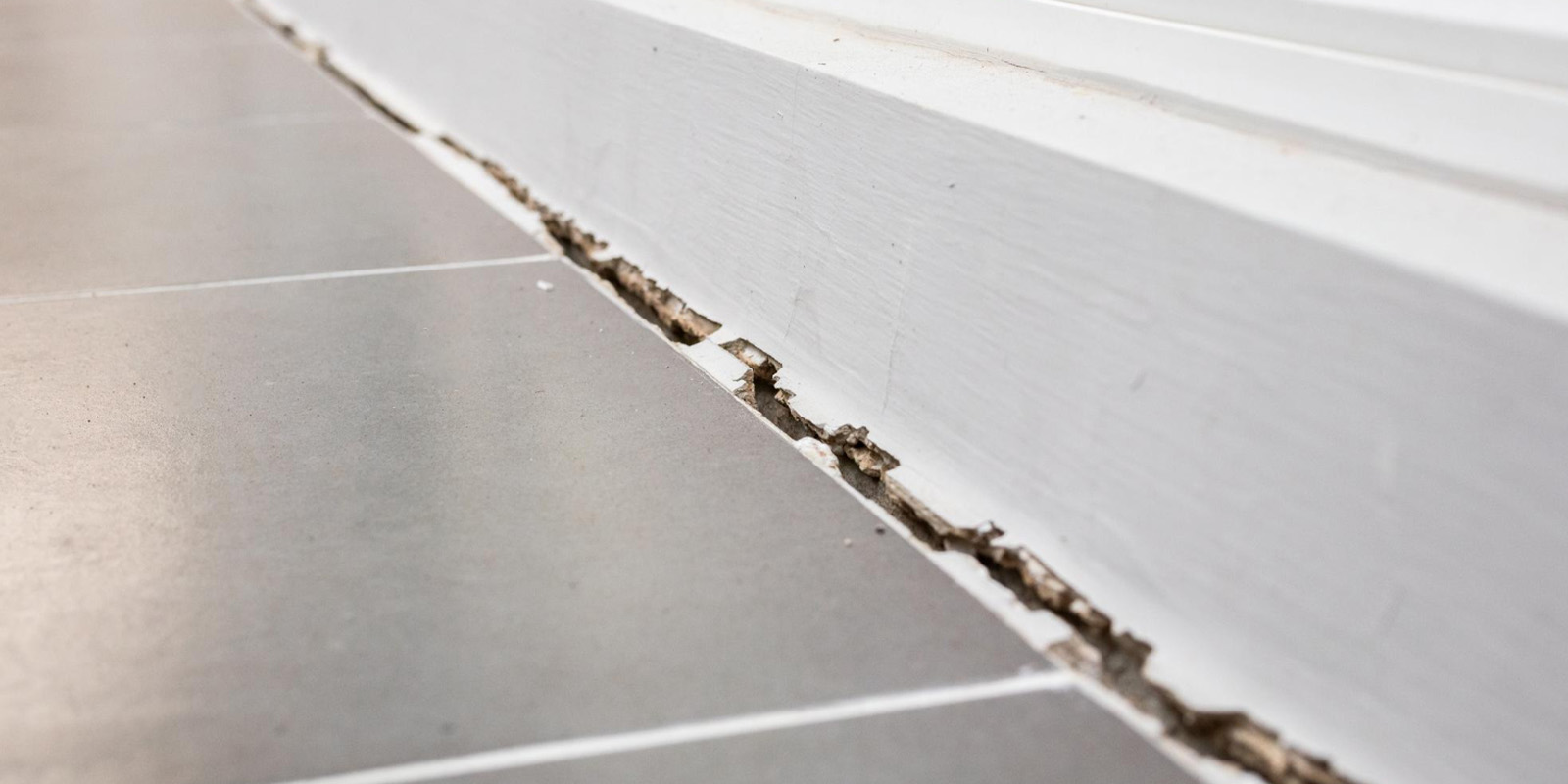
Sealant is one of the most important lines of defense for your home or commercial property. It helps keep out water, drafts, dirt, and pests while protecting the structure from damage. Over time, however, sealant begins to wear down due to weather, temperature changes, sunlight, and age.
When old sealant starts to fail, small issues can quickly turn into expensive repairs. Knowing what to look for can help you act early and avoid serious damage.
Here are the top 7 signs that your property may need new sealant.
1. Cracks or Gaps in the Existing Sealant
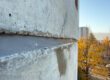
One of the clearest signs of failing sealant is visible cracking, splitting, or gaps. As sealant ages, it loses flexibility and begins to pull away from the surfaces it was protecting.
You may notice:
- Small cracks around windows and doors
- Gaps between siding panels or expansion joints
- Sealant that has shrunk away from the edge of a joint
Even small openings can allow water and air to enter your property. If you notice any cracking or separation, it is usually time to replace the sealant.
2. Water Leaks or Moisture Around Windows and Doors
If you see water stains, damp spots, or leaks around windows, doors, roofs, or walls, damaged sealant could be the cause.
Failing sealant allows moisture to seep into areas that should remain dry. Over time, this can lead to:
- Interior water stains
- Rotting wood
- Mold and mildew growth
- Damage to drywall or insulation
A leaking seal is often a warning sign that should not be ignored. Replacing the sealant early can prevent much larger repair costs later.
3. Higher Energy Bills
Old or damaged sealant can allow outside air to enter and conditioned air to escape. This makes your heating and cooling system work harder than it should.
If you have noticed:
- Rooms that feel drafty
- Uneven temperatures throughout the property
- A sudden increase in heating or cooling costs
then worn sealant around windows, doors, and exterior joints may be part of the problem.
Fresh, properly applied sealant can improve energy efficiency and help lower utility bills.
4. Mold or Mildew Near Sealed Areas
Mold and mildew often appear when moisture is trapped behind damaged sealant. Bathrooms, kitchens, windows, and exterior joints are common places where this happens.
Watch for:
- Black or green spots near joints
- Musty odors
- Discoloration around windows, doors, or walls
Mold is not only unpleasant—it can also affect indoor air quality and lead to more extensive property damage. Replacing the failed sealant can help stop the source of the moisture.
5. Sealant Looks Brittle, Hard, or Discolored
New sealant should be flexible and smooth. If the material looks brittle, dry, faded, or yellowed, it may no longer be doing its job.
Sunlight and harsh weather can cause sealant to break down over time. Exterior sealant is especially vulnerable to:
- UV damage
- Extreme heat or cold
- Heavy rain and moisture
When sealant changes color or texture, it is often a sign that it is reaching the end of its lifespan.
6. Pest or Insect Entry Points
Small gaps around windows, doors, pipes, and exterior joints can become easy entry points for insects and pests.
If you have noticed ants, spiders, or other insects appearing indoors near these areas, damaged sealant could be creating an opening.
Properly sealed joints help keep pests outside where they belong while also improving the overall protection of your property.
7. The Sealant Is More Than 5–10 Years Old
Even if there are no obvious problems yet, older sealant should be inspected regularly. Most sealants last between 5 and 10 years depending on the product, the location, and the weather conditions.
Exterior areas exposed to sun, rain, and temperature changes may need replacement sooner than indoor areas.
Common areas to inspect include:
- Around windows and doors
- Expansion joints
- Roof flashing
- Bathrooms and kitchens
- Driveways and walkways
If you are not sure how old the sealant is, a professional inspection can help determine whether replacement is needed.
What Happens If You Ignore Damaged Sealant?
Ignoring worn or failing sealant can lead to much more serious problems over time, including:
- Water damage
- Mold growth
- Higher energy costs
- Structural damage
- Expensive repairs
What begins as a small crack or gap can eventually require major work if moisture or air continues to enter the property.
When to Call a Professional
While some small sealant repairs can be done yourself, larger or recurring problems are best handled by a professional. A professional can:
- Identify the cause of the issue
- Choose the correct sealant for the area
- Properly remove old material
- Apply new sealant for long-lasting protection
Professional application ensures that the job is done correctly and that your property remains protected for years to come.
Final Thoughts
Sealant may seem like a small detail, but it plays a major role in protecting your property. By watching for these warning signs, you can catch problems early and avoid costly repairs.
If you notice cracks, leaks, mold, drafts, or old deteriorating sealant around your property, it may be time to replace it.
Need help inspecting or replacing damaged sealant? Contact Pioneer Sealants today for expert advice and professional application.