

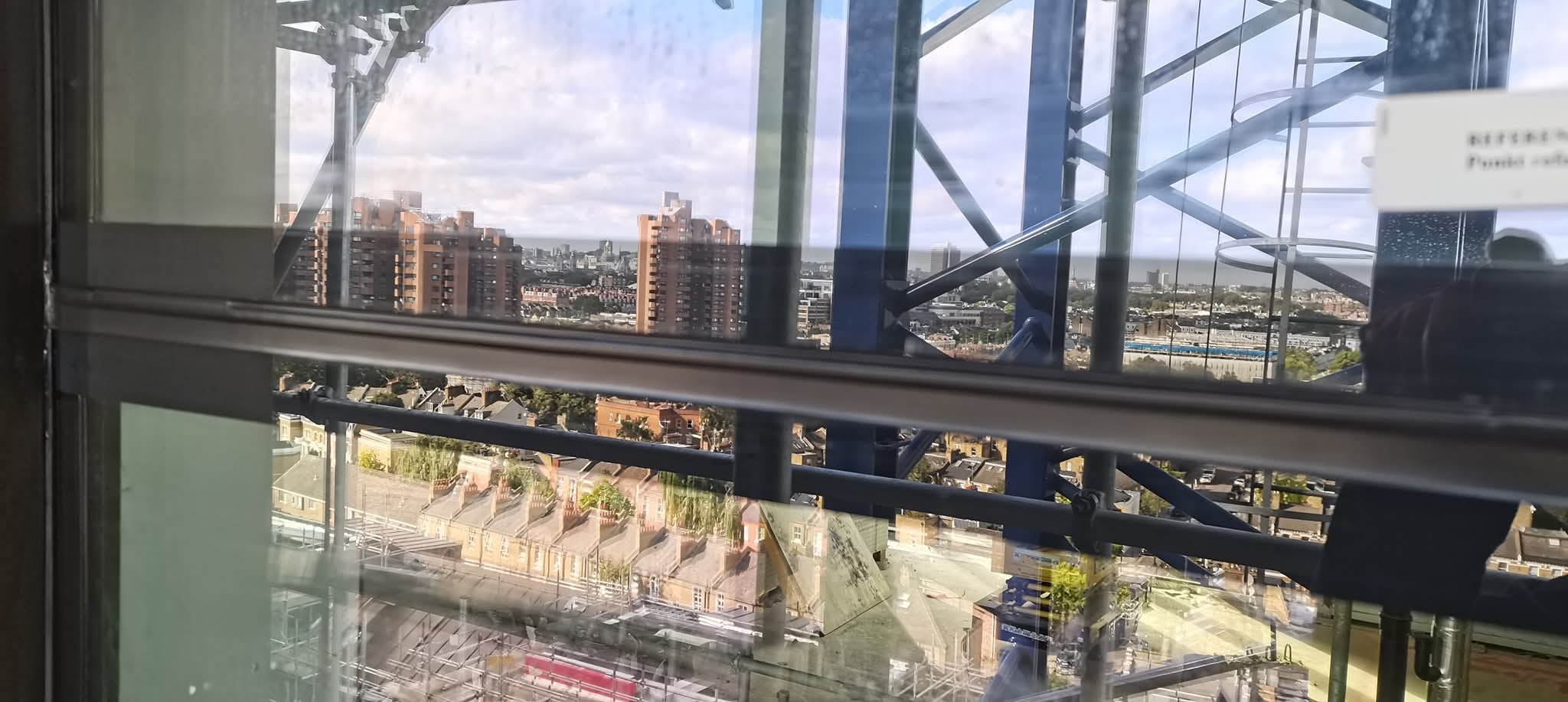
Curtain Wall Sealant and Façade Sealing
The façade is where glazing, stone, cladding and frames all meet. Our team applies curtain wall sealant and façade sealant to every one of those interfaces, so the building envelope stays weathertight for years.
Why façade sealing decides how a building performs
A modern façade is a patchwork of systems from different suppliers. Curtain walling, glazed screens, stone panels, rainscreen cladding and doors are all designed separately, and the sealant joint is what ties them together. If that weather seal fails, water tracks behind the cladding and often shows up floors away from the real leak.
Good façade joint sealing starts with understanding how each system moves. Aluminium frames expand far more than stone or concrete, so the curtain walling sealant at that junction has to take real movement while staying bonded and looking neat from the street.

Façade joints we seal, system by system
Our commercial façade work includes:
Curtain walling
Weather seals to transoms, mullions and perimeter interfaces, using the silicone the system designer specifies.
Structural glazing
Weather sealing to structural glazing and glazed screens, including structural glazing silicone where the specification and system supplier call for it.
Stone façades
Non-staining silicone and low-modulus sealants for natural stone, chosen so joints do not bleed into the stone.
Cladding panels
Cladding sealant between metal, composite and precast panels, colour-matched to the panel finish.
Window perimeters
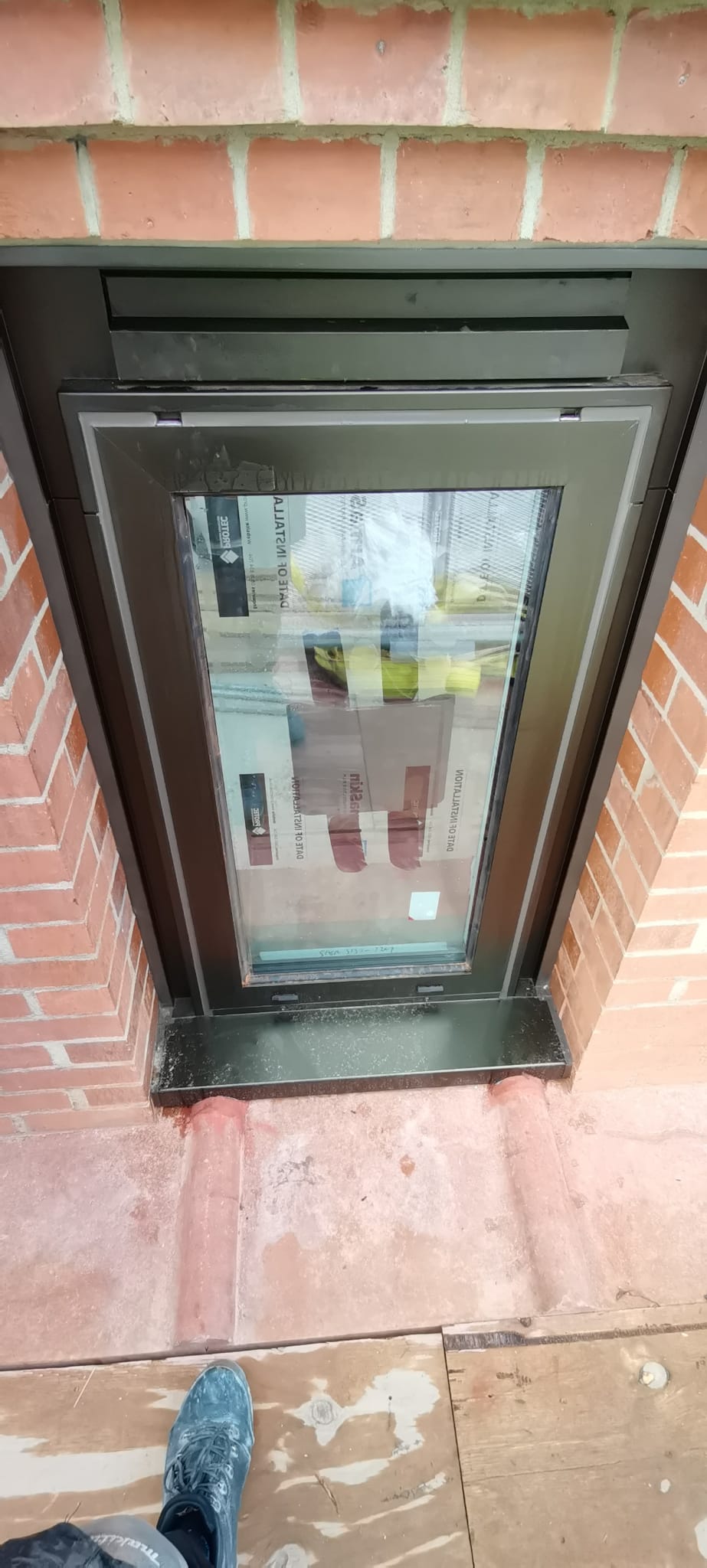
Commercial window sealant around frames, louvres and doors where they meet the façade.
Remedial resealing
Cutting out failed façade joints and resealing occupied buildings with minimal disruption.
Currently sealing the new City of London law courts
Our team is currently sealing at Salisbury Square, the new City of London law courts. Our package is external window frame perimeter sealing across the façade, working to a demanding programme in one of the tightest sites in the Square Mile.
Projects like this are where a façade sealant contractor earns its keep: consistent sightlines, a clean finish against high-quality materials and careful coordination with the façade installer and main contractor.
The right sealant for glass, stone and metal
There is no single façade sealant. Low-modulus silicone suits most glazing and curtain wall joints; modified polymer sealants work well on mixed substrates and where paint will follow; polyurethane and polysulphide sealants have their place on concrete and trafficked areas.
We use and apply Dow (DOWSIL), Sika, Tremco, Arbo and Soudal products, and we work to the façade specification or the system supplier’s product list where one exists. Colour is matched to frames or panels, with black, anthracite and grey the most common on curtain walling.

Working at height on commercial façades
Most façade sealing happens well above ground. Our director holds IPAF 3a/3b and SSSTS cards, so our team can work from MEWPs, boom lifts, mast climbers, towers or scaffold. RAMS are provided before we start, and we have had no RIDDOR incidents in 3 years.
Façade sealing across London and the regions
We seal façades on offices, residential towers, schools, hospitals and mixed-use schemes across London, the South East, the Midlands, the East of England and the South. Working as a sealant contractor in London means fitting around logistics plans, crane slots and neighbours, and our team is used to that.
Insured & pre-qualified
For homeowners, builders and main contractors.
- £10m Employer’s LiabilityInsurance cover
- £5m Public Liability & Professional IndemnityInsurance cover
- Constructionline Silver member

- NVQ Level 2Sealant Applicator
Over 20 years in construction
Products we use
Sealants and adhesives we use on site.








Brand names and logos are trademarks of their respective owners and are shown to identify products we use. No endorsement is implied.
Signs a façade or curtain wall sealant is failing
Façade sealant rarely fails all at once. The first signs are usually hairline cracks along the bead, sealant pulling away from one side of the joint, chalky or sticky surfaces, and dirt streaks below transoms and stone joints. Inside, staff may notice draughts, whistling or damp patches at the head or sill of a glazed panel. We explain these in more detail in our article on curtain wall sealant failure: the signs, the causes and what to do.
Most failures come from the wrong sealant for the movement, joints that were too shallow or too narrow, poor cleaning or priming when the joint was first sealed, or simply age and UV exposure. Weather seals on curtain walling, stone cladding and metal panels should be inspected regularly and renewed before water reaches the frame or the building fabric.
- Condition surveys of façade and curtain wall joints, with photos and a schedule
- Cut-out and reseal of failed perimeter, transom, mullion and panel joints
- Compatibility and adhesion checks against the existing substrates
- Phased work from MEWPs, rope access or cradles to keep the building in use
Related pages: structural glazing weather seals, window and door mastic and precast panel joints.
Our work, reviews and related services
Rated 5.0 from 15 Google reviews. Homeowners, landlords and contractors review our sealant work on Google, and we are always happy to share photos of similar jobs before you book.
Related services: structural glazing weather seals, window and door mastic, precast concrete joint sealing, expansion and movement joint sealing, commercial mastic work.
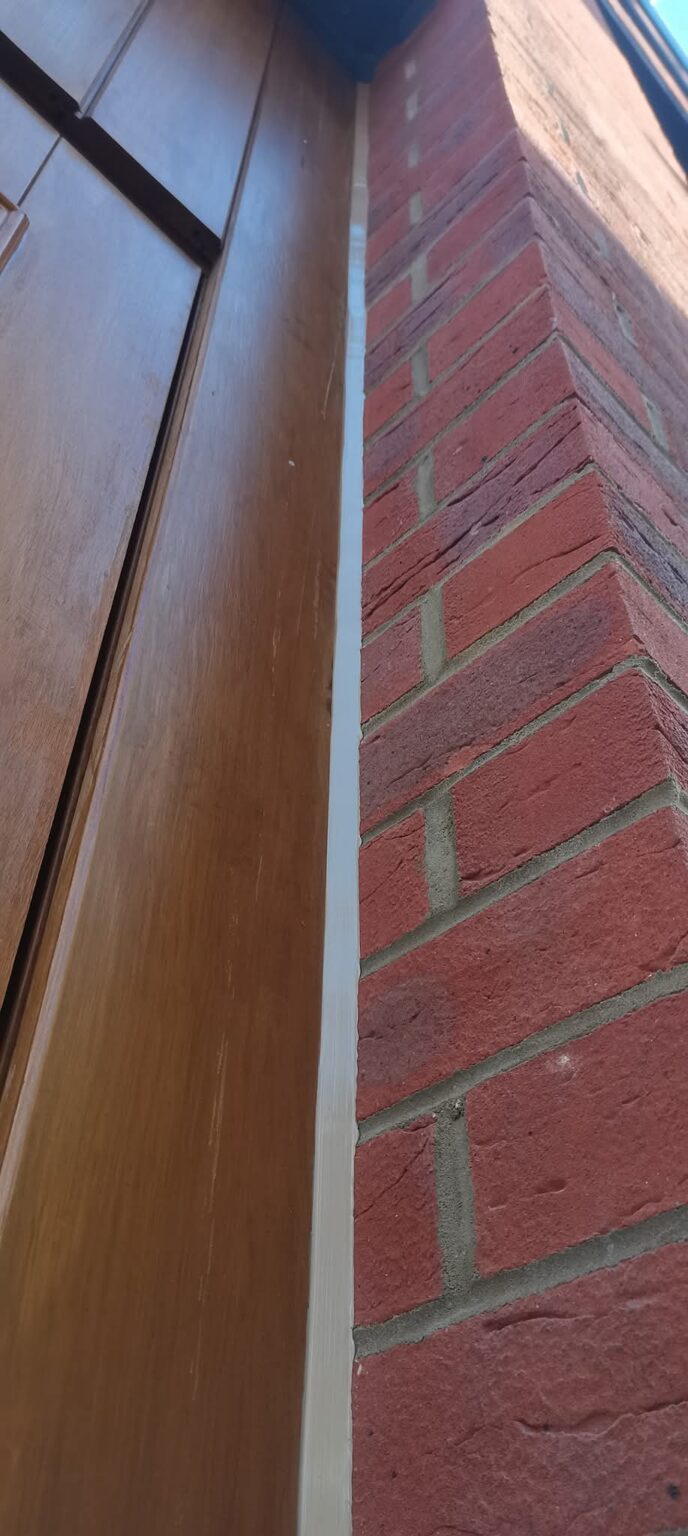
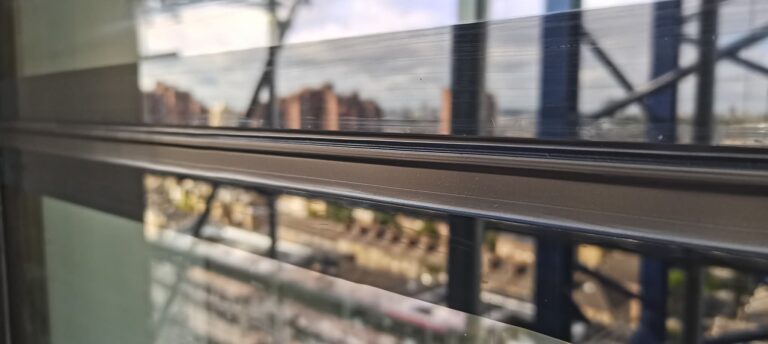
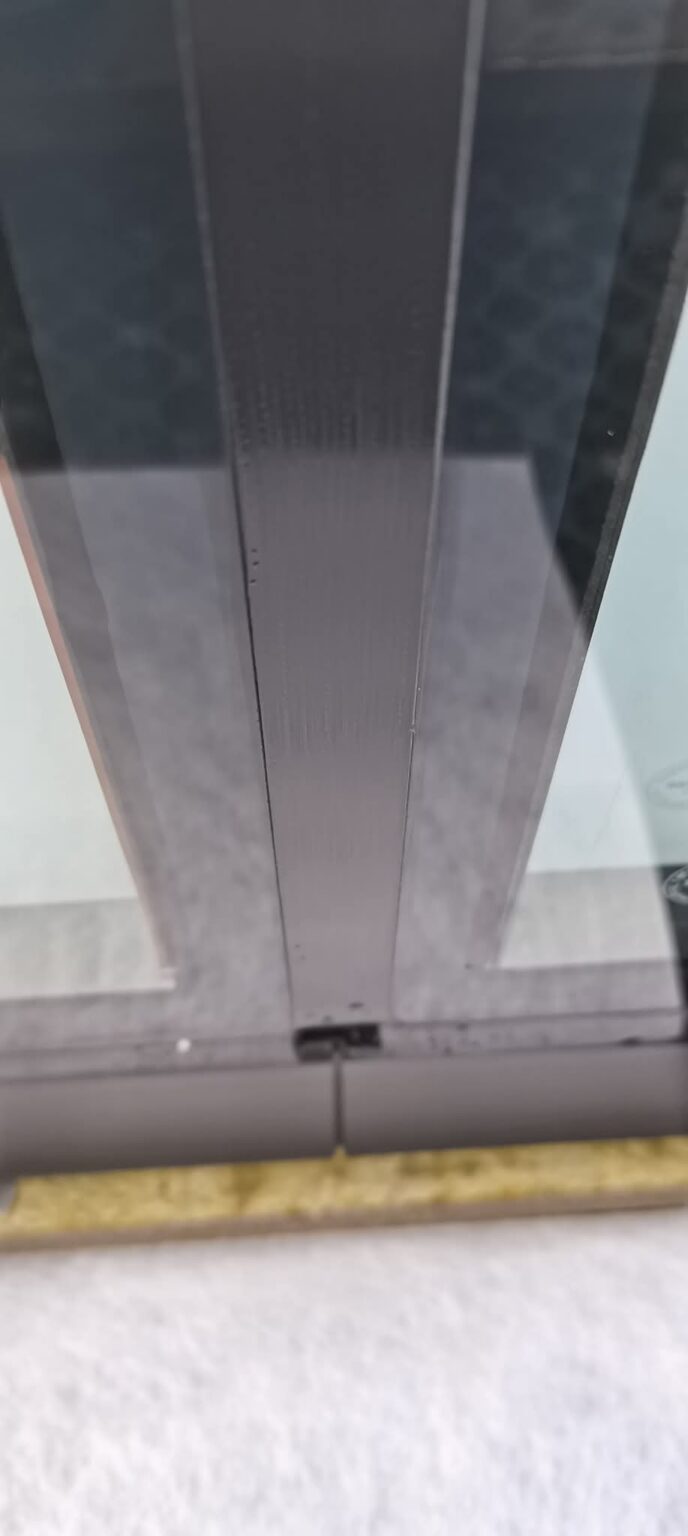
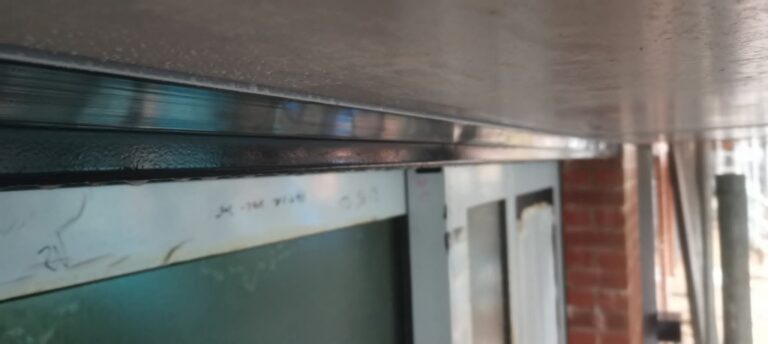
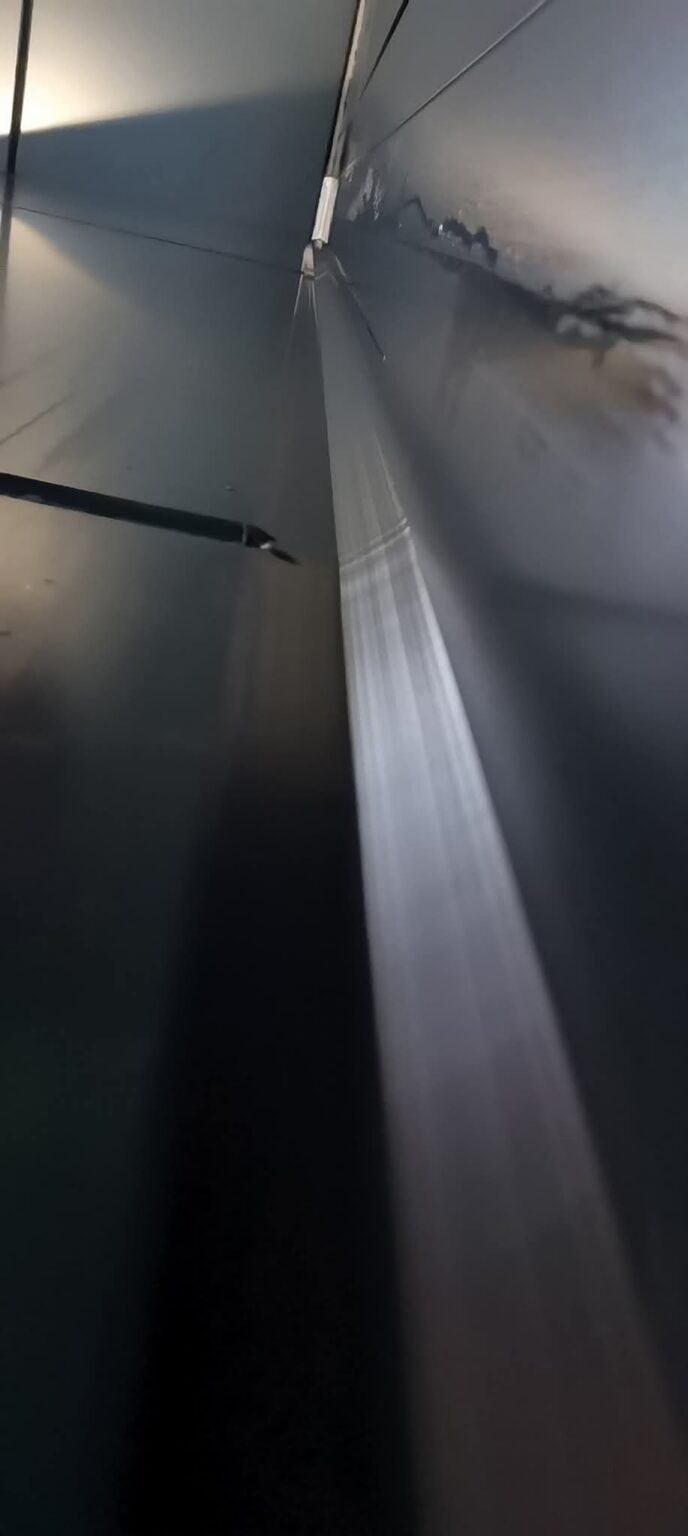
Clean lines at every interface
Façade sealant: common questions
What is the difference between a weather seal and a structural seal?
A weather seal keeps rain and air out of the joints between glazing units and frames. A structural seal bonds the glass to the frame and is designed and specified by the glazing system supplier. We apply weather seals, and work to the system supplier’s specification wherever structural glazing silicone is involved.
Do you use non-staining sealant on stone?
Yes. Natural stone can stain from some sealants, so we use non-staining silicone or a sealant recommended for that stone.
Can you reseal a façade while the building is occupied?
Yes. We plan access and working hours around the occupants, including out-of-hours work where needed.
Do you colour-match curtain wall sealant to the frames?
Yes. We select the closest colour from the manufacturer’s range to the powder-coated frames or panels, or follow the specified colour.
London façade work: Borough pages: Mastic contractor Westminster · Mastic contractor Croydon · Mastic contractor Brent · Mastic Contractor London (all boroughs) · Current project: Salisbury Square law courts, City of London · Stone cladding joints: Salisbury Square, London · Contact us
Need a façade sealed or resealed?
Send elevations, specifications or photos to office@pioneersealants.co.uk or call 01234 607 252, and our team will come back with a clear quote.
- Opening hours
- Monday – Friday8:00am – 6:30pm
- Saturday9:00am – 4:00pm
- SundayClosed