

You’ve run a nice bead of silicone along the shower tray, smoothed it off, and a day or two later it’s peeling away at one end like a strip of tape. Or worse, it never really gripped in the first place. If your silicone is not sticking, you’re not alone. It’s one of the most common things we get asked about.
We’re Pioneer Sealants Ltd, Bedford-based specialist sealant applicators with over 20 years in construction behind the company. Most of the time, silicone that won’t stick isn’t a bad tube. It’s the surface, the conditions or the way it went on. Here are the seven usual causes, and how to put each one right.
1. Old silicone or residue left behind
This is the big one. New silicone won’t bond to old silicone, and it won’t bond properly to the thin, greasy film that old silicone leaves on tiles, baths and trays, even when you can’t see it.
The fix: cut out every bit of the old bead, then deal with the film using a silicone remover and a good clean. Our guide on how to remove silicone sealant goes through it step by step.
2. Soap, limescale and cleaning products
Bathrooms and kitchens are coated in invisible stuff: shower gel, shampoo, limescale, polish and the residue some cleaning sprays leave behind. Silicone sits on top of that layer instead of gripping the surface underneath.
The fix: clean the joint, then wipe it down with a solvent cleaner suited to the surface (check it won’t harm acrylic or plastic first) and let it flash off. Don’t touch the cleaned faces with your fingers afterwards.
3. The joint was damp
Silicone may skin over on a damp surface, but it won’t grip properly underneath. A shower used that morning, a tray that’s been mopped, or water sitting in the gap behind the bead are all enough to stop it bonding.
The fix: leave the shower or bath unused and let the joint dry out fully before sealing. A hairdryer on a low setting can help in a cold room, but give it time.
4. Wrong sealant for the surface
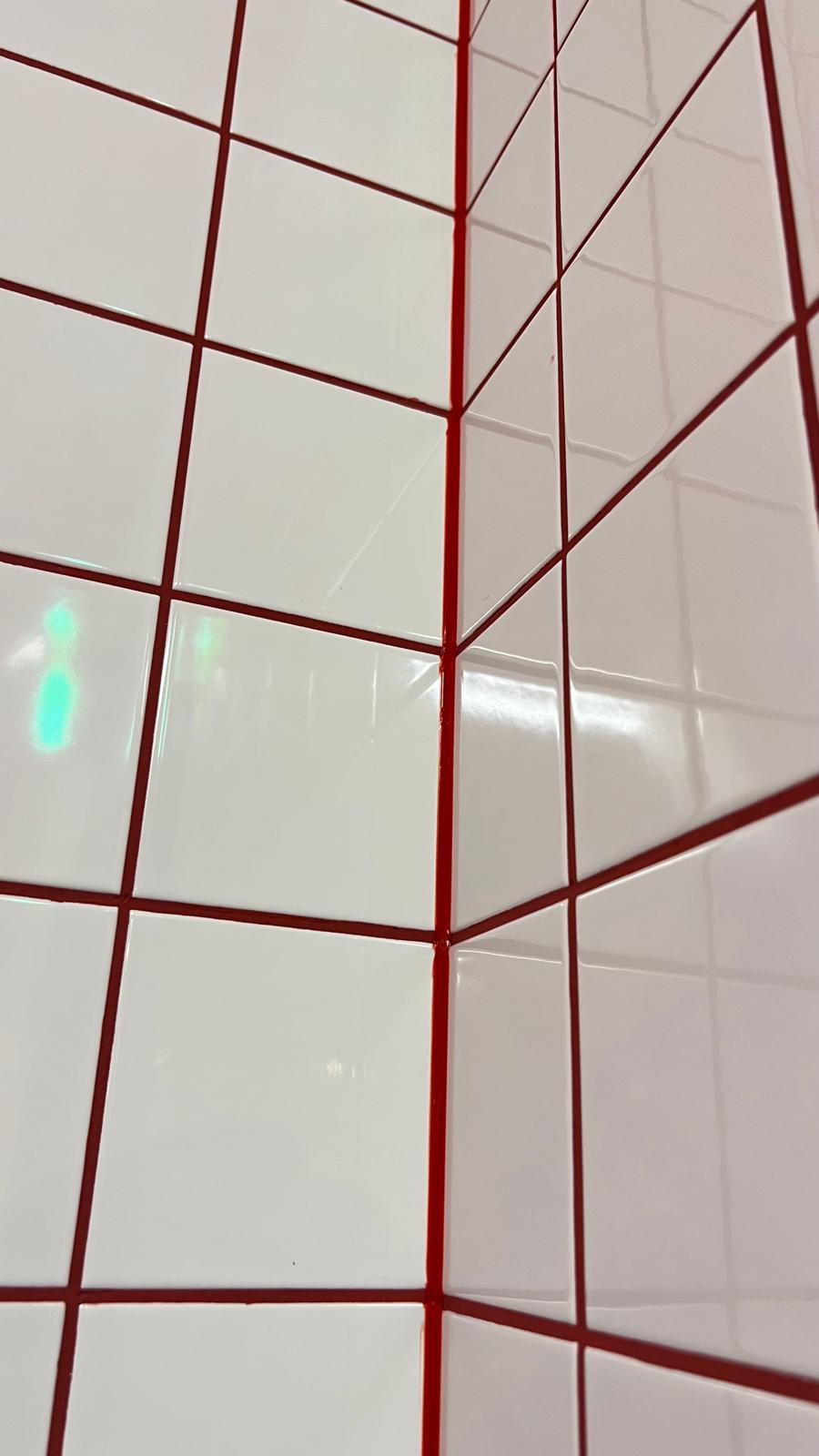
Not every silicone suits every surface. Most bathroom silicones grip ceramic tiles, glass and acrylic well, but some plastics, powder-coated metals, natural stone and painted surfaces can be hard work. Paint is a common one: silicone on a painted wall often grips the paint, then the paint lets go.
The fix: check the data sheet for the surfaces the product suits. Some need a primer on certain materials, and on stone a neutral-cure silicone is usually the safer choice. If you’re not sure which product to pick, our post on the best sealant for a bathroom walks through the label.
5. Too cold for it to cure
Silicone cures using moisture in the air, and it slows right down in a cold room. In winter, an unheated bathroom or utility can leave a bead soft and tacky for days, and it’s easy to knock or peel before it’s taken hold.
The fix: seal in a reasonably warm room and keep it that way while it cures. Check the temperature range and cure time on the tube; we’ve covered timings in how long does silicone take to dry.
6. The bead is too thin, or the gap is too wide
A thin smear of silicone has almost nothing to hold on with, and it’ll split or peel as soon as the joint moves. At the other end, a big gap stuffed with sealant can sag and pull away while it’s still soft.
The fix: use a bead that properly fills the joint and grips both faces. For wide or deep gaps, fill the back of the joint first with a suitable backing so the silicone is a sensible size.
7. The joint moved before it cured
Baths and shower trays move. A bath drops slightly when it’s full of water and someone gets in, and a tray that isn’t bedded properly can flex underfoot. If that happens while the silicone is still curing, the bond tears.
The fix: fill the bath with water before you seal it and leave it full while the silicone cures. If a shower tray rocks or creaks, sort the tray out first. No sealant will fix a tray that moves too much.
When it’s worth getting a professional in
If you’ve resealed more than once and it keeps letting go, there’s usually something underneath the problem: water already behind the tiles, a tray that flexes, or a surface that needs a different product. That’s when it’s worth getting it looked at properly.
We handle bathroom resealing and shower tray and wet room sealing across Bedfordshire, Northamptonshire, London and the surrounding area. We strip out the old sealant, clean and prepare the joint, and choose a product to suit the surfaces. We use and apply products from the main manufacturers, including Dow (DOWSIL), Sika, Arbo and Bostik.
FAQ
Why is my silicone not sticking to the shower tray?
Usually it’s residue from old silicone or shower products, a damp joint, or a tray that moves when you stand in it. Strip it, clean it, let it dry fully and make sure the tray is solid before resealing.
Why won’t silicone stick to my tiles or grout?
Tiles often carry a soap or cleaner film, and grout can hold moisture. Clean and dry both thoroughly. If the grout is crumbling, it needs sorting before you seal over it.
Can I just put more silicone over the bit that’s peeling?
We wouldn’t. New silicone won’t bond to the old bead, and water gets in behind it. Cut the joint out and start again.
Silicone still letting go?
If your sealant keeps peeling away, call us on 01234 607 252, WhatsApp us on 07757 772 880 with a couple of photos, or get in touch online. We’re Bedford-based, working across the UK, and we’ll tell you honestly what your joint needs.
Mastic and sealant work in London: we cover every London borough. See our mastic contractors in London page or go straight to your area: North London · North-East London · East London · South-East London · South-West London · West London · Westminster & the City.
Insured & pre-qualified
For homeowners, builders and main contractors.
- £10m Employer’s LiabilityInsurance cover
- £5m Public Liability & Professional IndemnityInsurance cover
- Constructionline Silver member

- NVQ Level 2Sealant Applicator
Over 20 years in construction
Products we use
Sealants and adhesives we use on site.








Brand names and logos are trademarks of their respective owners and are shown to identify products we use. No endorsement is implied.
Got a joint that needs doing properly?
Call us, or send a few photos on WhatsApp for the quickest quote.
- Opening hours
- Monday – Friday8:00am – 6:30pm
- Saturday9:00am – 4:00pm
- SundayClosed