
Walk into any builders’ merchant and ask for “mastic” and you might be handed three different tubes. Ask online and you’ll see “caulk” thrown in too. They all come out of a cartridge gun and they all fill a gap, so it’s no wonder people mix them up. But pick the wrong one and you’ll be redoing the job within a year.
We’re Pioneer Sealants Ltd, Bedford-based specialist sealant applicators with over 20 years in construction behind the company. We seal everything from baths and kitchen worktops to window frames and movement joints on commercial buildings, across Bedfordshire, London and the surrounding counties. Here’s the plain-English version of what each product is and where it belongs.
What is mastic?
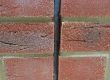
Originally, mastic meant a thick, putty-like sealant made from oils, resins or bitumen. Old houses still have it around window frames: it goes hard, cracks and shrinks back from the brick over the years.
Today, in the UK trade, “mastic” is mostly used as a catch-all word for any gun-applied mastic sealant, especially on the outside of a building. When someone says “the mastic round my windows has gone”, they usually mean the external joint between the frame and the wall, whatever it’s actually made of. That’s also why people who do this work are called mastic men.
Modern external sealants are far better than the old stuff. They stay flexible, so the joint can move as the building warms, cools and settles without cracking.
What is silicone sealant?
Silicone sealant is a specific type of sealant, and it’s the one most homeowners know. Once cured, it’s rubbery, flexible and very good at keeping water out. That makes it the go-to choice for:
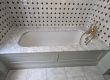
- Baths, shower trays and shower screens
- Kitchen sinks, worktops and splashbacks
- Wet rooms and tiled areas
- Many glazing and window jobs, using the right grade
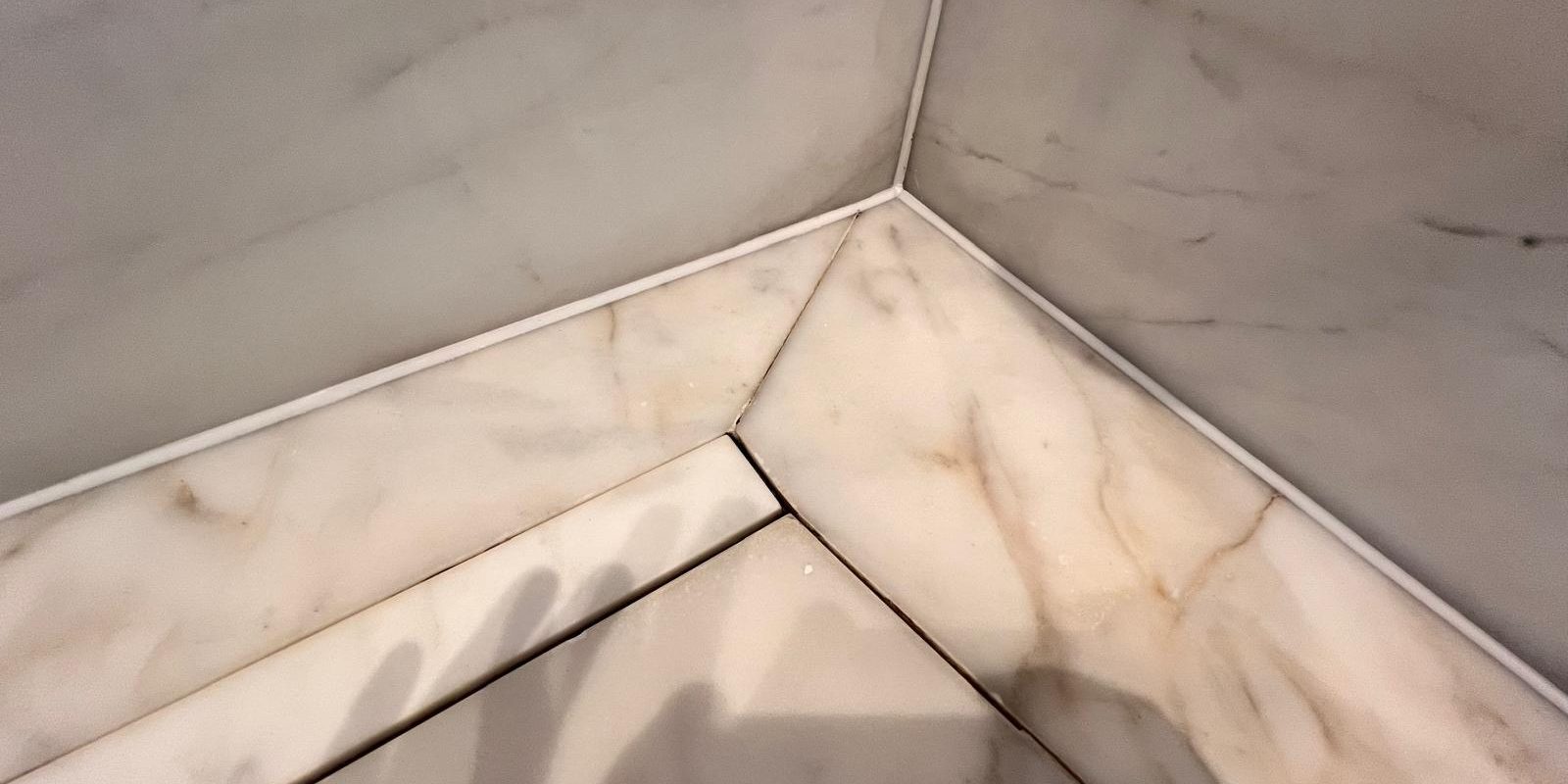
What silicone doesn’t like is paint. Most silicone can’t be painted over, because paint won’t stick to it. And as we explain in our guide to why shower silicone goes black, you want an anti-mould sanitary grade in bathrooms and kitchens, not a general-purpose tube.
What is caulk?
“Caulk” is really an American word. In the US it covers most gap-filling sealants. In the UK, you’ll mostly see it as decorator’s caulk, which is a water-based acrylic filler.
Decorator’s caulk is great for what it’s made for: filling small gaps between skirting boards, architraves, coving and walls before you paint. It’s cheap, easy to smooth and takes paint well.
It’s the wrong choice for anything that gets wet or moves much. Use it round a bath or shower and it will crack, wash out or go mouldy quickly. We cover where the lines blur in our post on whether you need a plumber or a mastic man for caulking.
Mastic vs silicone: which should you use?
Here’s the quick rule we work to:
| Job | What usually works best |
|---|---|
| Bath, shower, basin, sink | Anti-mould sanitary silicone |
| Kitchen worktop and splashback | Sanitary silicone in a matching colour |
| Window and door frames, outside | A flexible external sealant suited to the frame and the wall (often a modified polymer, silicone or polyurethane) |
| Skirting, architrave, cracks before painting | Decorator’s caulk (acrylic) |
| Movement joints in brick, block and concrete | Low-modulus sealant chosen for the joint, such as polyurethane, polysulphide or a modified polymer |
| Concrete floor joints | A floor-grade sealant that can take traffic |
The honest answer is that the right product depends on three things: what the joint is stuck to, how much it moves, and whether it gets wet or needs painting.
The other sealants worth knowing about
Beyond the big three, you’ll hear a few other names on site:
- Polyurethane sealants are tough and hard-wearing. They’re common on external joints and floors, and many can be painted.
- Polysulphide sealants are a long-standing choice for movement and expansion joints on commercial work.
- Modified polymer (hybrid) sealants bond to a wide range of surfaces and are often paintable. On large wall panel jobs we regularly use Arbo MP20, a one-part modified polymer sealant.
We use silicone, polyurethane and polysulphide sealants, and we use and apply products from manufacturers including Arbo, Sika, Dow and Tremco CPG, choosing whatever the joint and the specification call for. You can read more in our older post on the different types of sealant.
Mistakes we see all the time
- Decorator’s caulk used round a bath or shower, which then cracks and goes black.
- Bathroom silicone painted over, so the paint flakes off within weeks.
- New silicone run over old silicone, which won’t bond and soon peels.
- An interior product used outside, where sun and rain break it down.
- A rigid filler used in a movement joint, which cracks the first time the building moves.
When to call a professional
Most of this comes down to choosing the right product and preparing the joint properly. If you’re not sure what’s in your joints now, or what should go back in, it’s worth asking someone who does it every day. We handle bathroom resealing and window and door mastic for homeowners and landlords, and commercial mastic work for builders and main contractors.
Mastic and silicone FAQ
Is mastic the same as silicone? Not quite. Silicone is one type of sealant. “Mastic” is the everyday trade word for gun-applied sealants in general, especially outside. So silicone can be a mastic, but not every mastic is silicone.
Can you paint over mastic sealant? It depends on the product. Most silicone can’t be painted. Many polyurethane and modified polymer sealants can, and decorator’s caulk is made to be painted.
Is caulk waterproof? Decorator’s caulk is fine for dry, indoor gaps, but it isn’t the right choice for baths, showers or outside joints. Use a silicone or an external sealant there.
What’s the best sealant for windows? There isn’t one answer for every window. It depends on the frame material, the wall and how much the joint moves. We match the product to the job and the colour to the frame.
Not sure what your joints need?
Send us a photo and we’ll tell you what’s there and what should go back in. Call 01234 607 252, WhatsApp 07757 772 880, or get in touch online. We’re open Monday to Friday 8:00 to 18:30 and Saturday 9:00 to 16:00.
Insured & pre-qualified
For homeowners, builders and main contractors.
- £10m Employer’s LiabilityInsurance cover
- £5m Public Liability & Professional IndemnityInsurance cover
- Constructionline Silver member

- NVQ Level 2Sealant Applicator
Over 20 years in construction
Products we use
Sealants and adhesives we use on site.







Brand names and logos are trademarks of their respective owners and are shown to identify products we use. No endorsement is implied.
Got a joint that needs doing properly?
Call us, or send a few photos on WhatsApp for the quickest quote.
- Opening hours
- Monday – Friday8:00am – 6:30pm
- Saturday9:00am – 4:00pm
- SundayClosed