
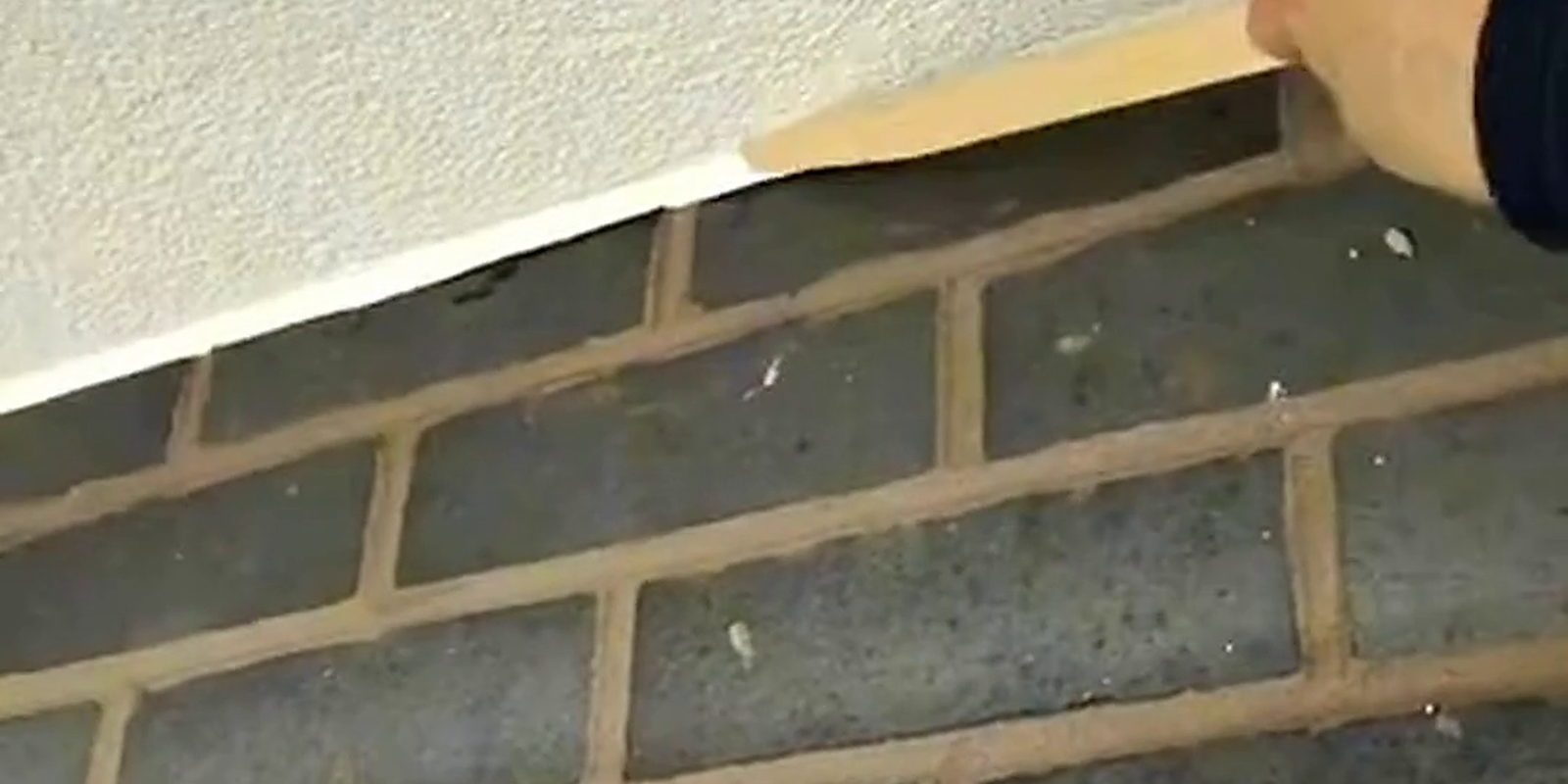
Every winter the same question comes up on site: the programme says the external mastic goes in this week, the forecast says two degrees and drizzle, so do we crack on or stand down? Applying sealant in cold weather can be done, and done well, but it needs more care than a July job. Get it wrong and you’ll be back in spring cutting out joints that never bonded.
We’re Pioneer Sealants Ltd, Bedford-based specialist sealant applicators with over 20 years in construction behind the company. A lot of our commercial work is external: façades, cladding, window perimeters and movement joints on new builds and refurbs, and plenty of it happens between November and March. Here’s how we approach it, in plain terms.
Can you apply sealant in cold weather?
Yes, within limits. The real question isn’t “is it cold?” but “is the joint clean, dry and warm enough for this product to stick and cure?”
Most sealant data sheets give a minimum application temperature, and for many construction sealants that sits somewhere around +5°C, with some products rated lower. That figure usually applies to the surface of the joint, not just the air. A brick or concrete face in shade can be several degrees colder than the air around it, especially first thing in the morning.
So the first rule is simple: read the data sheet for the exact product you’re using, and check the substrate, not just the weather app.
The real enemy: moisture you can’t see
Cold on its own is manageable. Cold plus moisture is what causes most winter failures.
- Dew and condensation. When a surface is colder than the dew point, a thin film of moisture forms on it. You often can’t see it, but sealant won’t bond properly to it. A common rule of thumb in the trade is to keep the surface at least 3°C above the dew point, and a cheap surface thermometer and a hygrometer will tell you where you stand.
- Frost and ice. Never seal onto frost, ice or a joint that has been frozen and is now just wet. Ice in the pores of concrete or brick can stay there long after the surface looks dry.
- Damp substrates. Porous materials soak up rain and take a long time to dry out in winter. If the joint face is dark with damp, it’s not ready.
Slower curing and why it matters
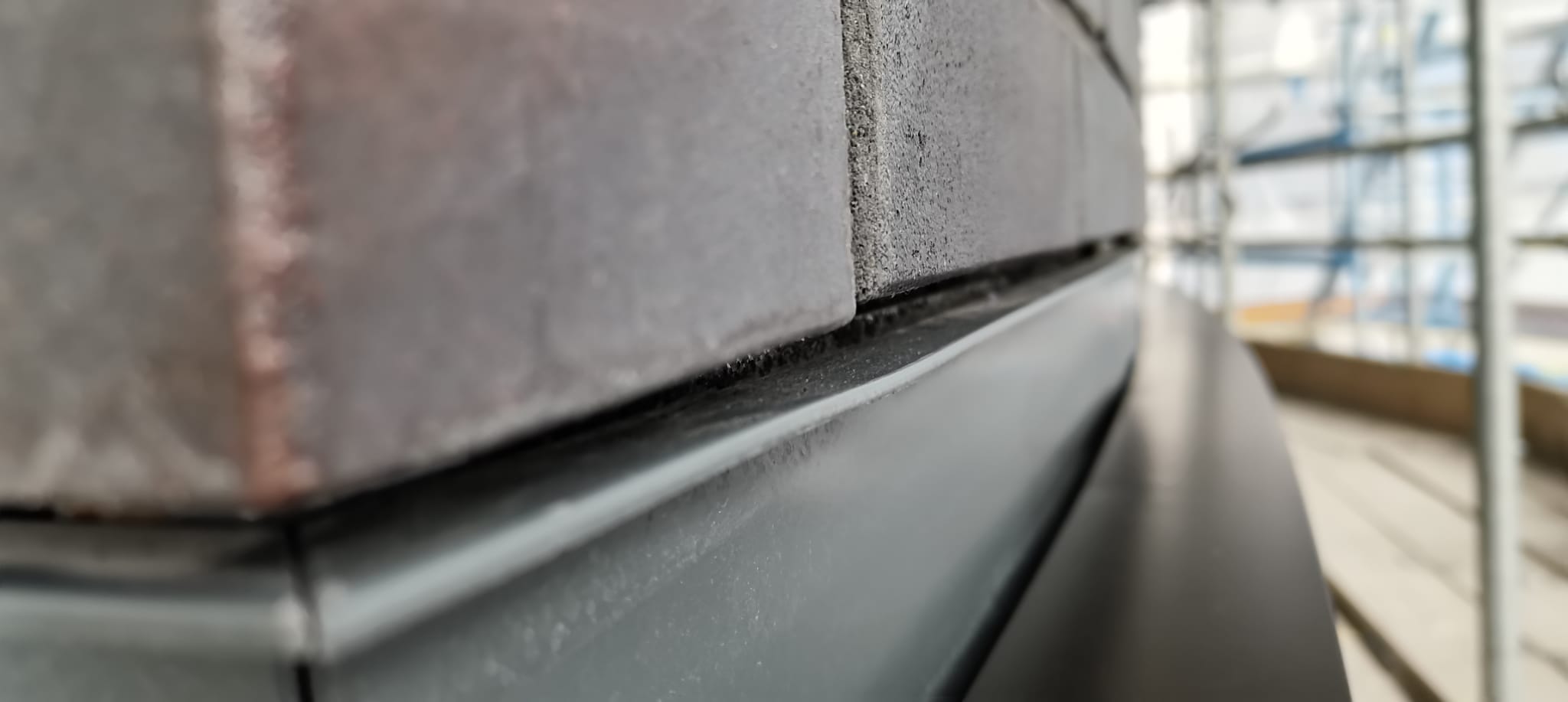
Most sealants we use outside, such as silicones, polyurethanes, polysulphides and modified polymers, cure by reacting with moisture in the air. Lower temperatures slow that reaction down, so the skin forms later and the full cure takes longer.
That brings a few knock-on effects:
- The fresh joint stays soft for longer, so it’s more easily damaged by rain, wind-blown dust, scaffold boards or other trades.
- Joint movement while curing. On a cold morning a joint is near its widest, because materials shrink in the cold. As it warms up during the day the joint closes, squeezing sealant that hasn’t cured yet. That can leave a wrinkled or bulging finish.
- Painting, follow-on trades and handover dates may need a bit more slack in the programme.
If you want the detail on curing times, our post on how long silicone takes to dry covers the basics.
A winter checklist we use on site
Before a cartridge comes out on a cold day, we run through the same checks:
- Surface temperature and dew point checked and noted, not guessed.
- Joints dry, clean and frost-free. Old sealant, dust and laitance out, and no standing water in the joint.
- Primer where the data sheet asks for it, with the right flash-off time, which is often longer in the cold.
- Correct backing. Backer rod or bond breaker tape in place so the joint is the right depth. See our guide to backer rod and sealant.
- Cartridges and sausages kept warm. Cold sealant is stiff, hard to gun and harder to tool. We keep stock in the van or a heated cabin, not on the scaffold overnight.
- Weather window. Enough dry time after application for the skin to form before rain arrives.
- Protection. On exposed elevations, sheeting or temporary cover can make the difference between a good day and a lost one.
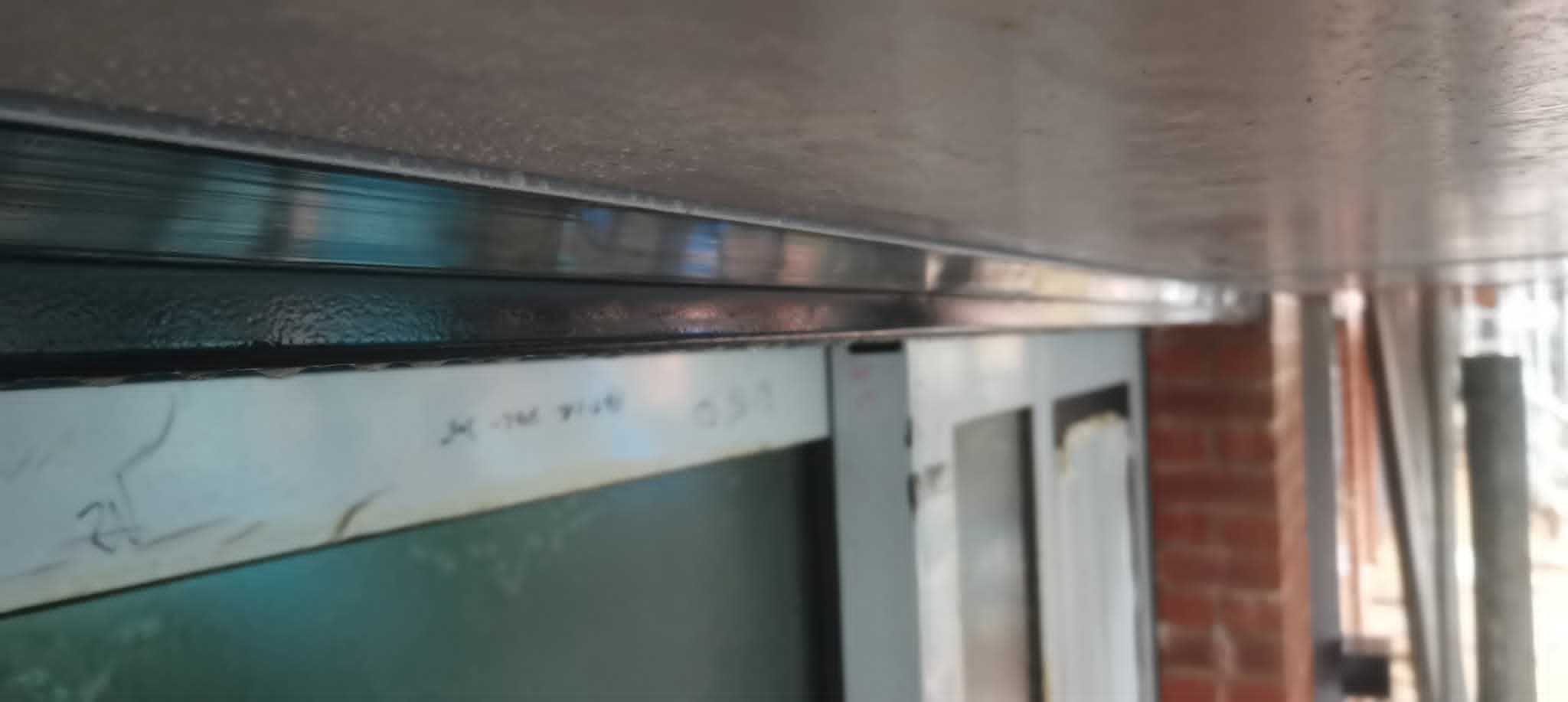
When to stand down
Sometimes the right call is to stop. If the surface is below the product’s minimum, the substrate is wet, it’s frosting over, or rain is due before the sealant can skin, a good applicator should tell you. A day lost in December costs less than cutting out and redoing a whole elevation in April.
It also helps to plan the work around the weather where you can: south-facing elevations first in the morning once they’ve had some sun, shaded and north-facing elevations in the middle of the day, and nothing late in the afternoon when the temperature is dropping and dew is forming.
FAQ
What’s the lowest temperature you can apply sealant at?
It depends on the product. Many construction sealants list around +5°C as the minimum, some go lower. Always check the data sheet and measure the surface temperature.
Can silicone sealant be applied in cold weather?
Yes, if the surfaces are clean, dry and frost-free and within the product’s temperature range. It will just take longer to cure.
Does rain ruin fresh sealant?
Rain on fresh, uncured sealant can spoil the finish and, on some products, the bond. Most need a dry window after application before they’re rain-resistant.
Should we heat the joint?
Gentle warming and drying can help in some cases, but never use open flame on sealant or substrates, and follow the manufacturer’s guidance.
Need external mastic done this winter?
We’re commercial mastic contractors working with main contractors, housebuilders and facilities teams across Bedfordshire, London and further afield for larger jobs, from façade and curtain wall sealant to expansion joint sealing. We hold Constructionline Silver, and RAMS are available on request.
Call 01234 607 252, WhatsApp 07757 772 880, or send us the drawings and programme through our contact page and we’ll take a look.
Mastic and sealant work in London: we cover every London borough. See our mastic contractors in London page or go straight to your area: North London · North-East London · East London · South-East London · South-West London · West London · Westminster & the City.
Insured & pre-qualified
For homeowners, builders and main contractors.
- £10m Employer’s LiabilityInsurance cover
- £5m Public Liability & Professional IndemnityInsurance cover
- Constructionline Silver member

- NVQ Level 2Sealant Applicator
Over 20 years in construction
Products we use
Sealants and adhesives we use on site.







Brand names and logos are trademarks of their respective owners and are shown to identify products we use. No endorsement is implied.
Got a joint that needs doing properly?
Call us, or send a few photos on WhatsApp for the quickest quote.
- Opening hours
- Monday – Friday8:00am – 6:30pm
- Saturday9:00am – 4:00pm
- SundayClosed